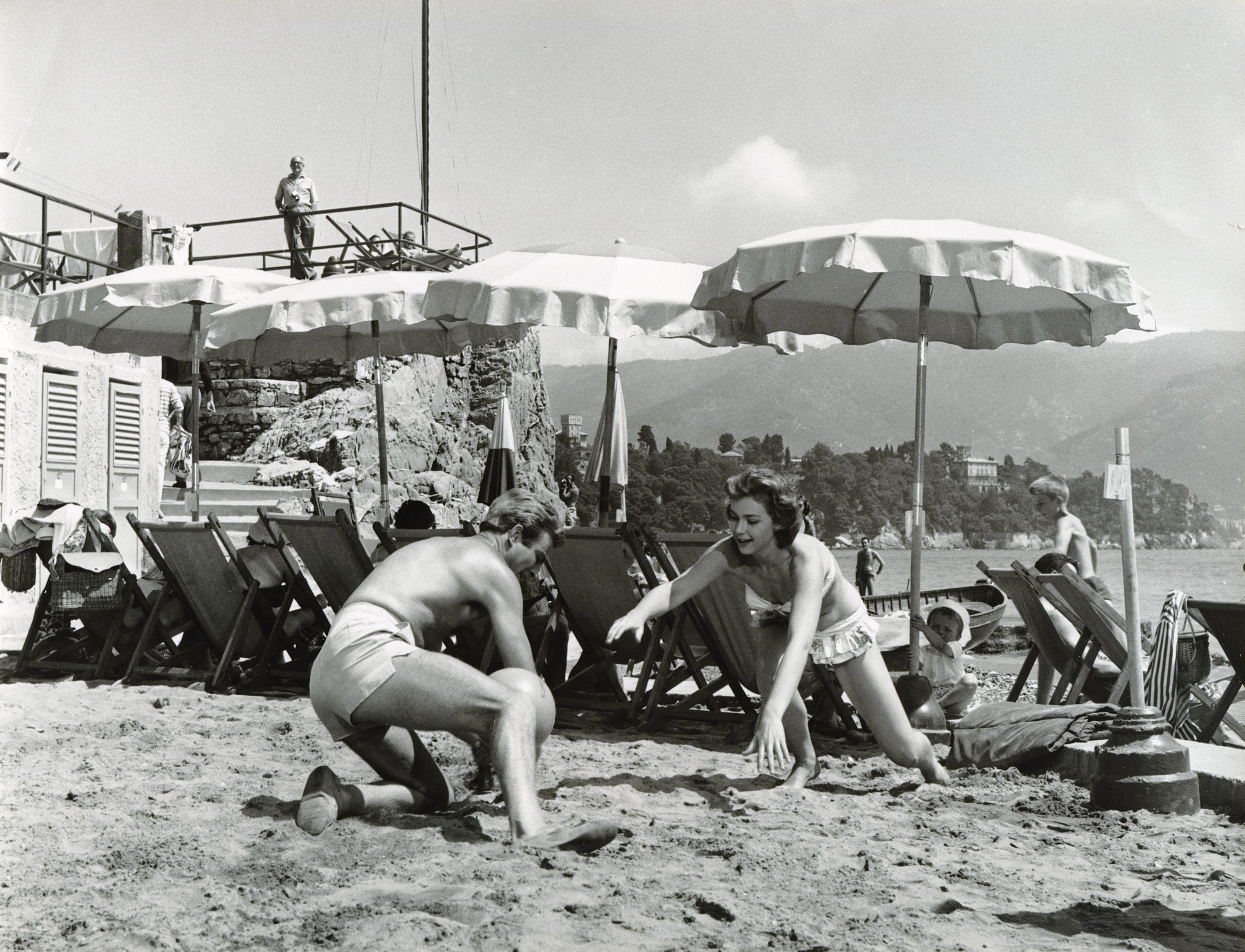
The past is the present - the rise of nostalgia in hospitality
A reflection on hospitality’s nostalgia era; where old-world rituals, tactile design and analogue moments offer comfort in an accelerated age. The article considers how brands can channel memory and heritage into experiences that resonate deeply with today’s traveller.
- 20.02.26
- Business, Travel
- Author Fabian Messer
If nostalgia were a destination, we’d all be queuing at the airport boarding gates.
There is a growing hunger for the unhurried rituals and untethered atmosphere of the past. Travellers are painting their social media in retro aesthetics while using analogue devices (disposable cameras, vinyl turntables, physical maps) and enjoying old-world experiences (off-grid weekends, visits to local communities, heritage craft masterclasses).
Nostalgia is a powerful emotional driver reshaping where people choose to travel, what they spend their money on, and which brands they decide to trust.
The psychology behind the trend
Tumultuous change is always the catalyst for a return to heritage. In today’s climate of political strife and global volatility, nostalgia caters to a longing for simpler times, childhood innocence, and communal belonging.
Psychologically, reminiscing is a sophisticated coping mechanism. The ‘good old days’ represent stability and comfort, fulfilling our deep-seated human desire for home-like joys. They counteract the loneliness and anxiety of the digital age, reminding us that our lives have continuity and meaning.
For hospitality brands, this creates a vital opening: if you can generate a nostalgic sense of permanence and warmth, you are providing the sanctuary that the modern guest is currently craving.

We’ve been here before
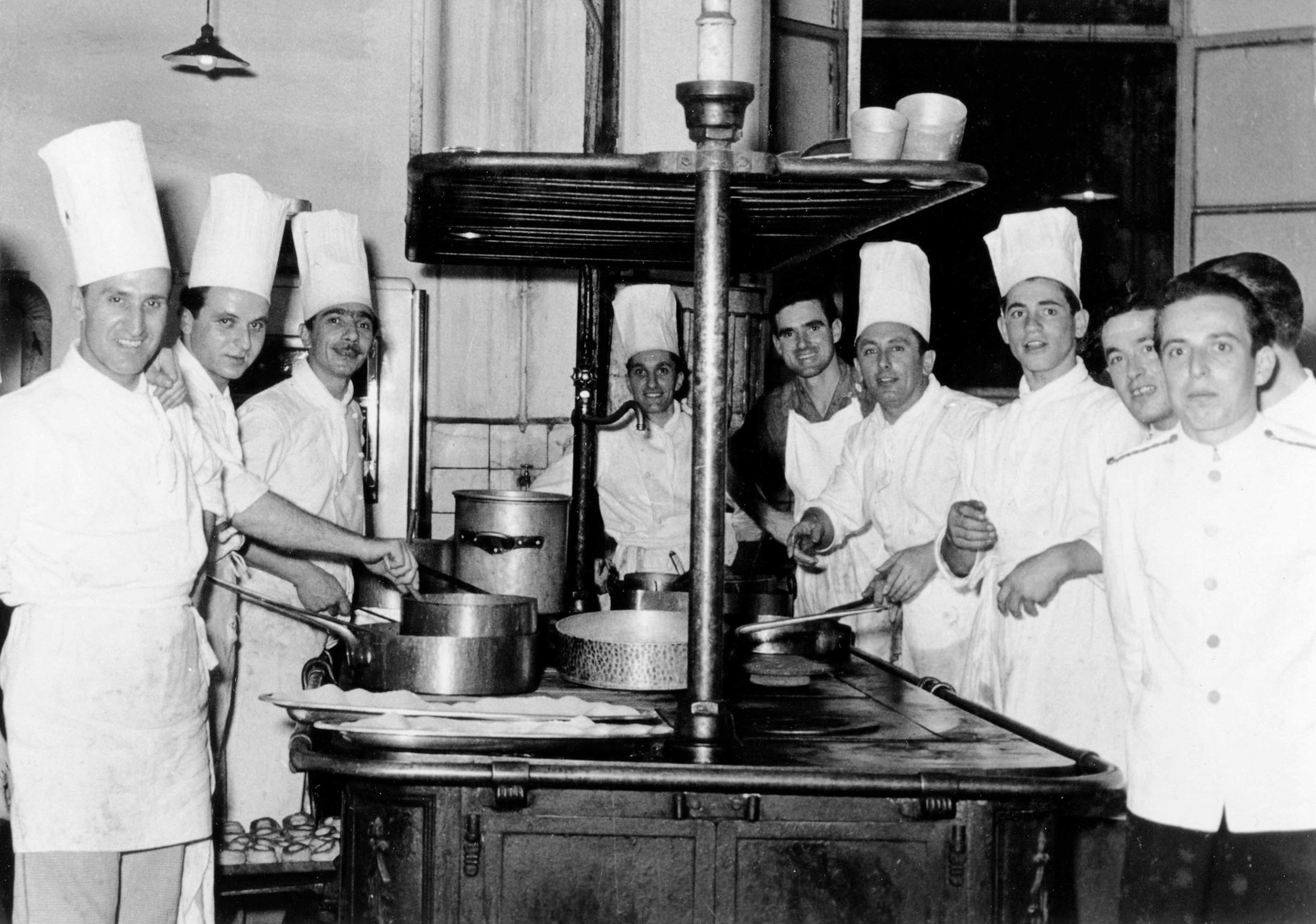
This is the blueprint that the Grande Hotels of the late 19th century have never abandoned. Establishments like The Savoy, the Waldorf Astoria, and The Ritz were the cultural pulse of their cities. They set the standard for personalised service and architectural narrative, and their enduring relevance and popularity are a testament to consumer appetite for the colourful depth of bygone eras.
Today, that classic substance is being translated for a new generation.
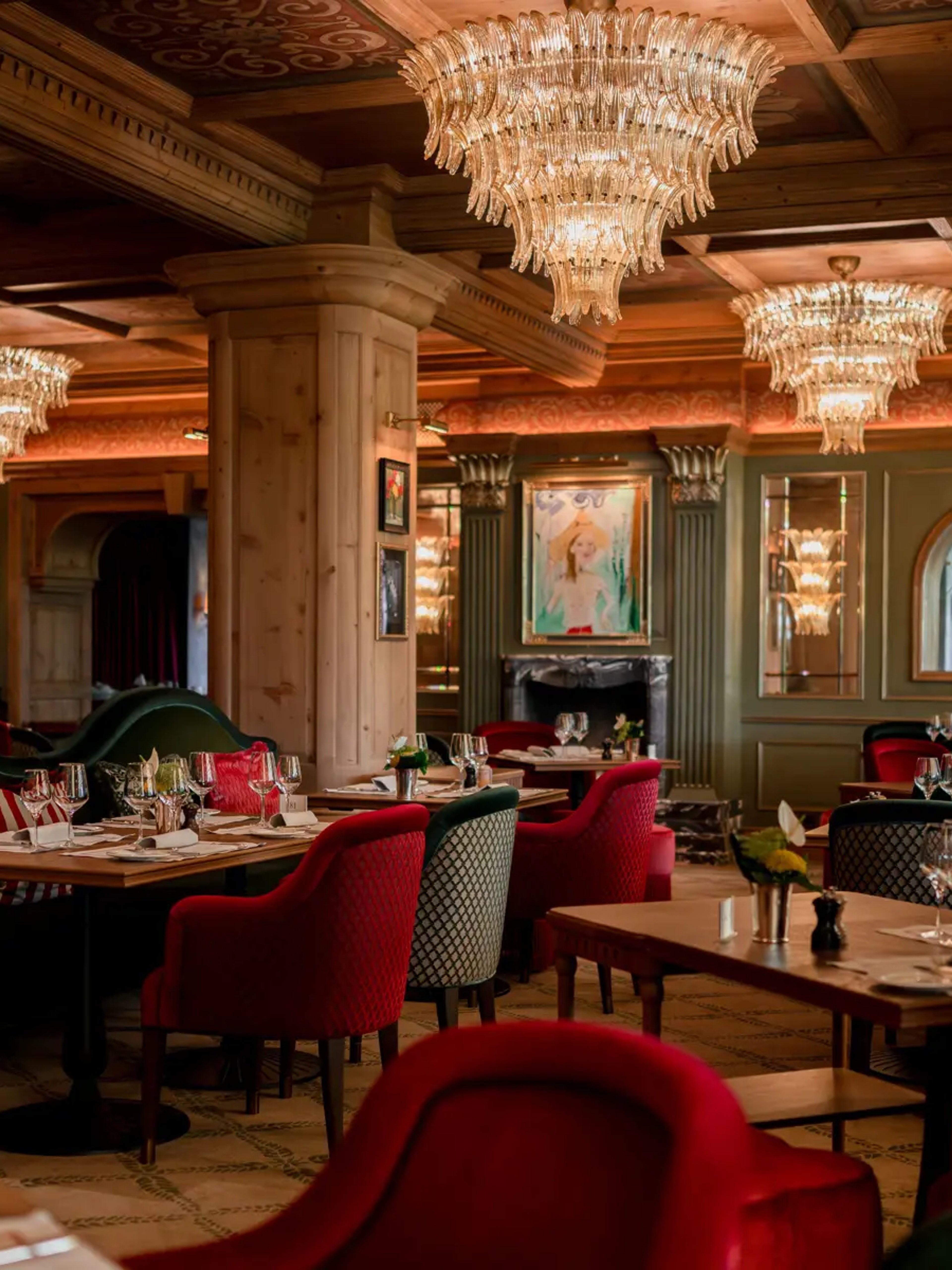
Hotels such as Gstaad Palace are reinvoking the 1920s with the introduction of table-side service at their refreshed restaurant, Le Grand. Even brand-new hotels are bringing the past into their design, mixing antique furnishings with iconic mid-century pieces or preserving historical elements like Gothic windows.
More and more, hospitality brands are ushering guests into another time.
Why hospitality is in its nostalgia era
For over a decade, hospitality has been dominated by minimalist interiors and ‘quiet luxury’. What began after the 2008 financial crisis as a millennial rebellion against gilded excess, eventually calcified into a universal, often beige design language. We saw an infinity of muted tones and soft linens.
While this ‘organic’ look was optimised for social media, it has shown poor durability in a post-pandemic world. A world which has shifted the definition of luxury from understated calm to lived-in personality.
Add to this our current age of automation, and there is a distinct comfort in a hotel that feels like it has defied the march of time. In such spaces, nostalgia is reassurance, a signal that this institution has been here before, and it will be around for a long while yet.
That said, nostalgic hospitality is not only about the look and feel of a hotel. It is a fundamental re-evaluation of what constitutes a memorable guest experience. When a diner at Le Grand watches a soufflé being finished at the table, they are witnessing a performance of manual dexterity that feels radical in an automated age.
This call-back to craft is an antidote to the influx of AI and media. Guests are increasingly seeking out the human touch: moments that strip away the noise of notifications to allow for encounters with hands that preserve time-honoured practices.
In this context, nostalgia also represents a return to the gold standard of hosting, a revival of deeply personal service where the level of care feels proactive, protective, and sophisticated.
How can hotels engineer their own nostalgia?
For hospitality founders and marketing teams, capitalising on this nostalgic shift requires a rigorous audit of their dormant assets. The first question shouldn’t be about what to add, but what to revive.
We ask our partners: “What rituals have you stopped because they were deemed too slow or too expensive?” In part, this is because slowness is no longer a logistical hurdle but an indicator of a premium product.
We challenge teams to identify the specific moment in time they wish to transport their guests to, and then interrogate the modern relevance of that era. The goal is to recognise where a brand’s history or ‘vibe’ intersects with today’s cultural cues, ensuring every nostalgic touchpoint serves a strategic, contemporary purpose.
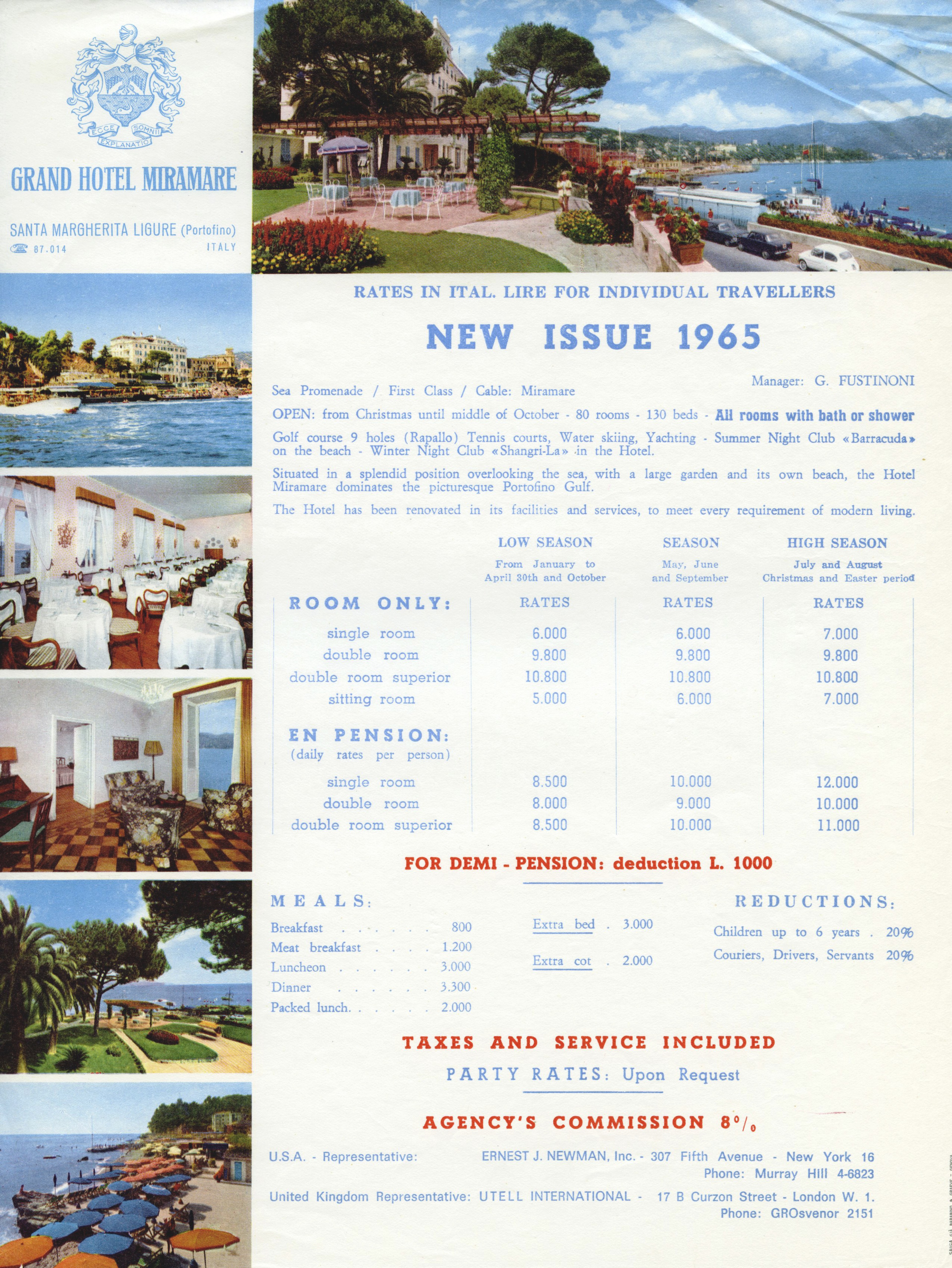
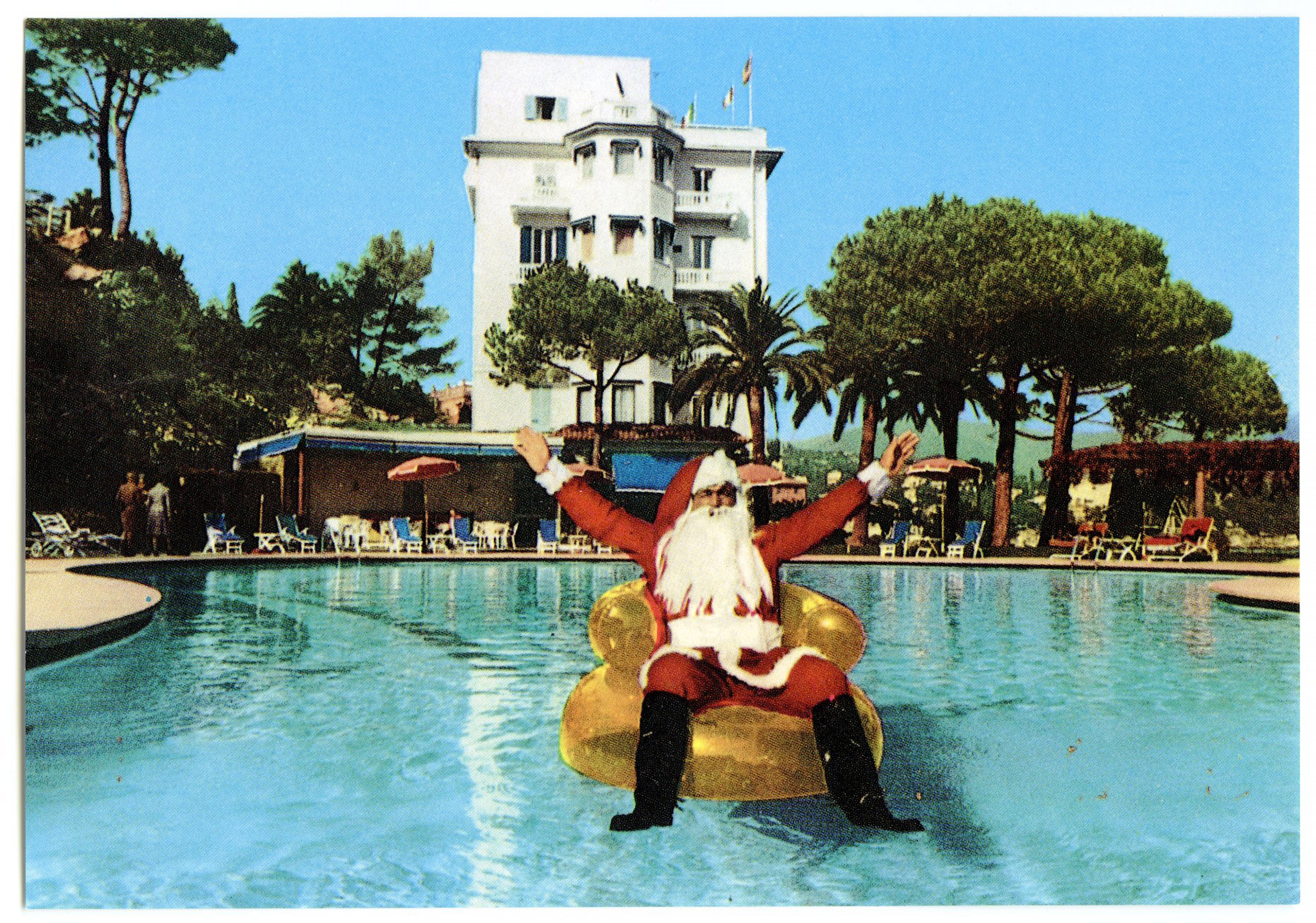
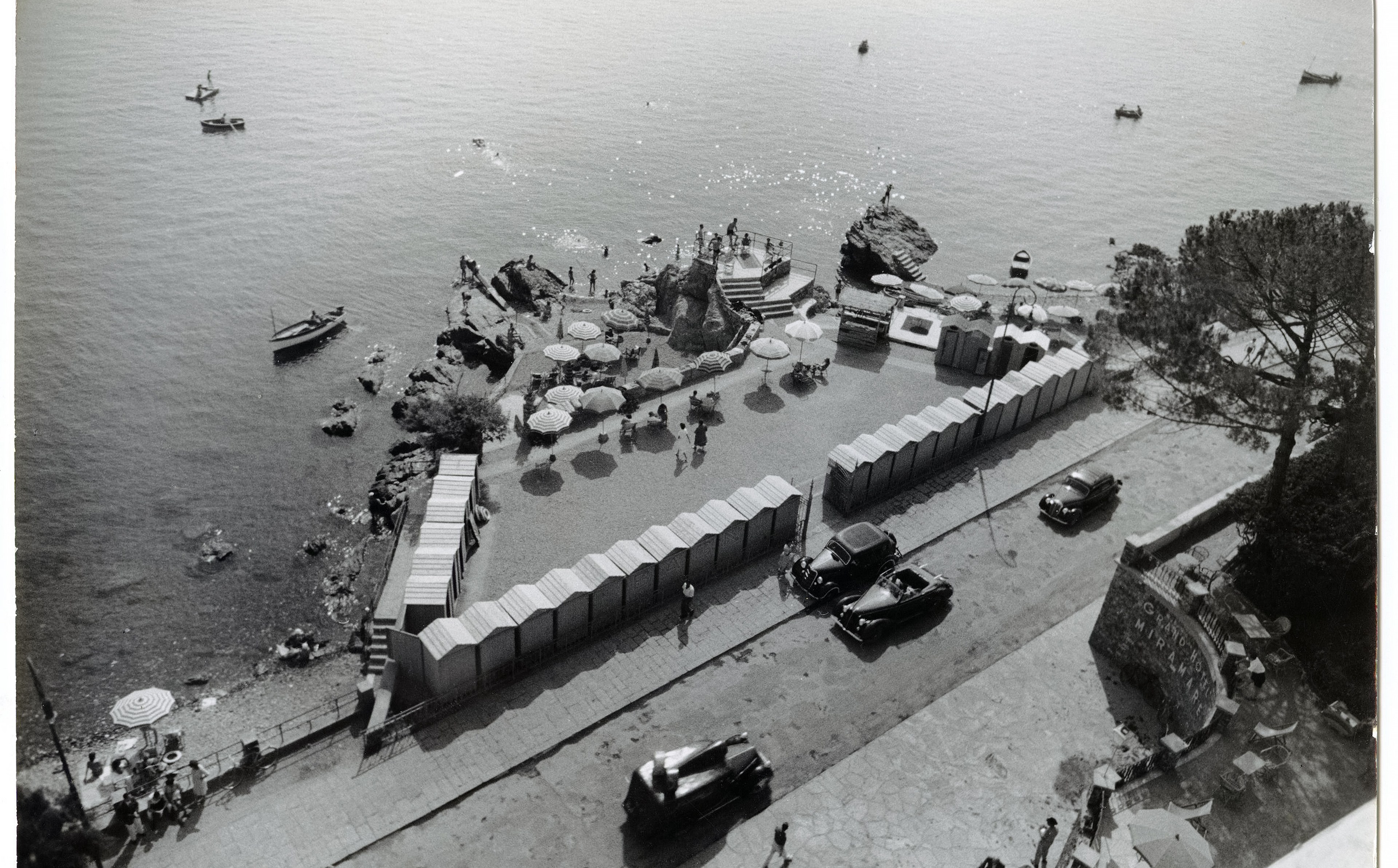
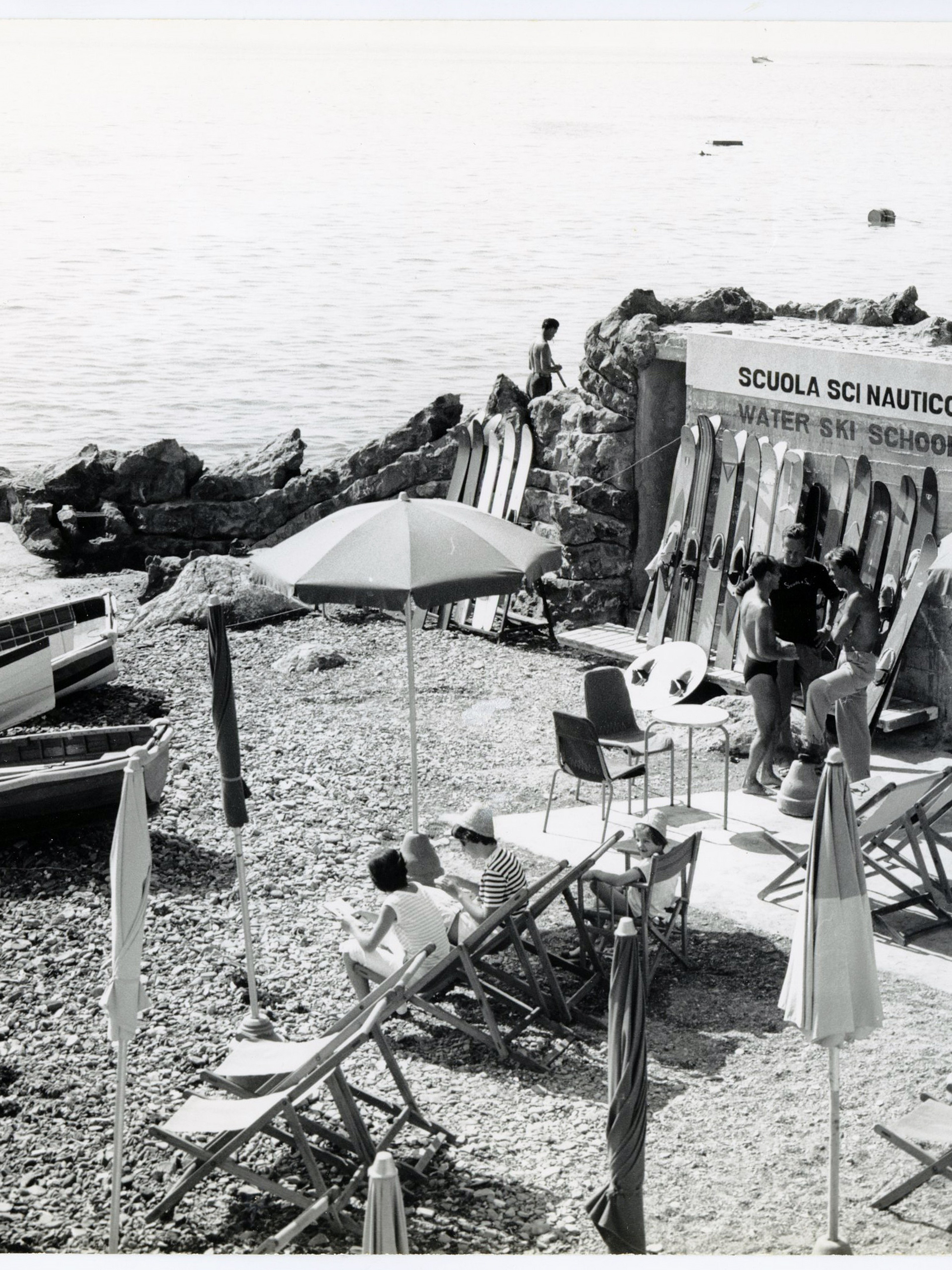
You can see this in the upcoming revival of Bagni Mira, Grand Hotel Miramare’s historic beach club, set to reopen in 2027. In the 1950s, the Riviera lived by a simple optimism: everything, even a beach umbrella, deserved to be beautiful. The Miramare is now reinterpreting that spirit for a new era — bringing a renewed sense of glamour, contrast and clarity back to the water’s edge, and redefining what makes the Italian summer so singular.
Even if a hotel has no obvious nostalgic ties, there are sights, smells, sounds, songs, tastes and touches that have the ability to evoke nostalgic feelings. Fonts, colours, creative photography and symbols all play their part here. As do guest excursions to local partners or traditional communities. Maybe your hotel isn’t nostalgic, but it can offer nostalgic travel moments.
Three ways to integrate nostalgia into the guest experience
1. Design and ambiance
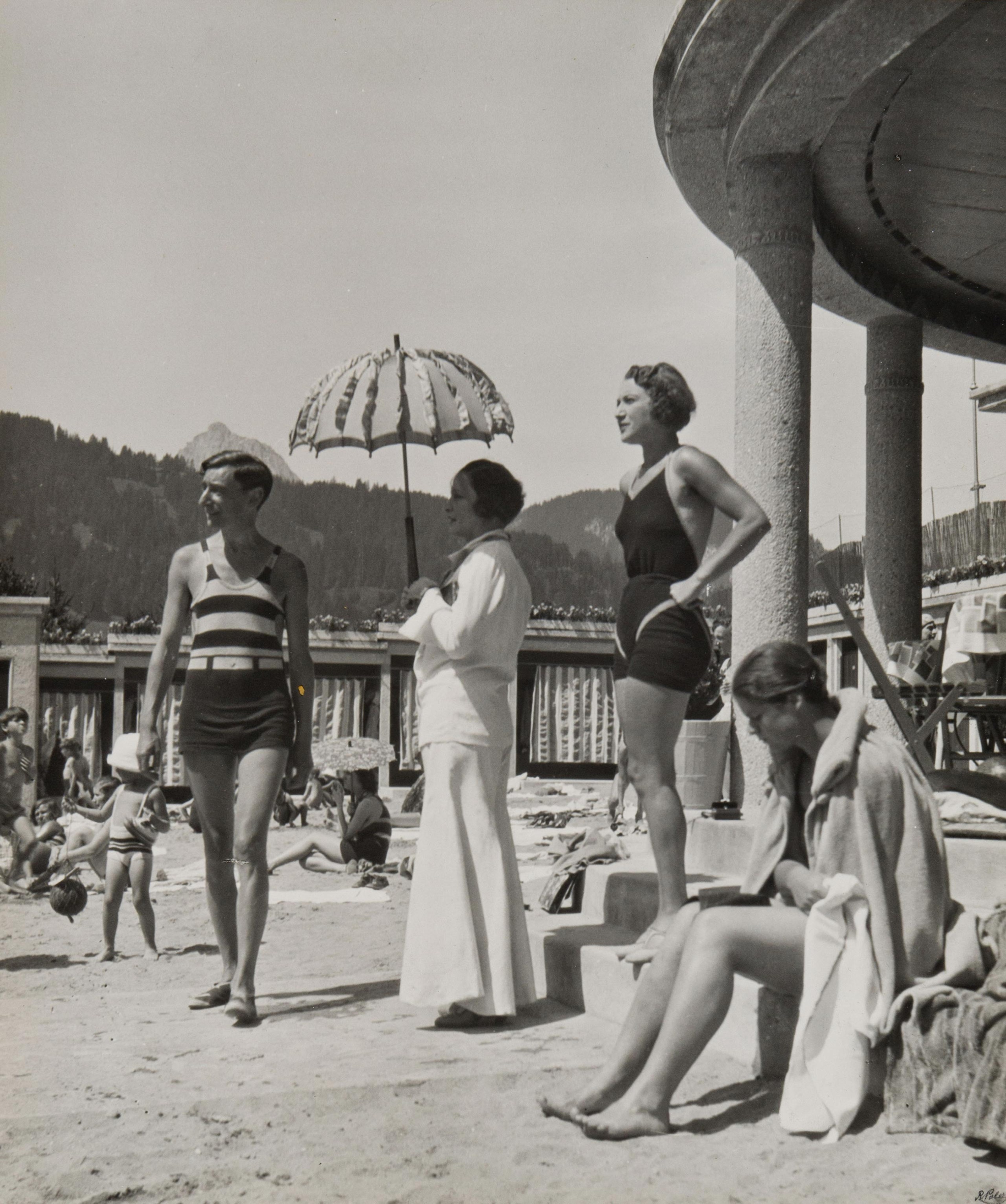
Nostalgia is a powerful visual currency. Use it to transform standard interiors into evocative sets that invite documentation. When design feels like a nod to a golden era, the resulting ‘Instagram-ability’ comes from a place of authenticity rather than trend-chasing.
2. Culinary revivals
By pairing retro dishes with premium execution, you can turn a standard dinner into a shareable event. Take a childhood or golden-era experience and upgrade it. Think lobster-filled corn dogs or truffle-laden mac and cheese.
3. Social media content
If you don’t have a heritage asset or experience, bring nostalgia into your Instagram or TikTok content to convey a mood or spirit. Take Dover Street Counter, a newly opened restaurant in London. They only post images of old records on their Instagram, no food, to communicate the whole spirit of the place.
A word of warning
The past must be treated as a foundation rather than a costume. The key is to lean into intentional friction: the tension created when a historical asset is viewed through a sharp, contemporary lens. Modernity provides the breathing room for heritage to exist without feeling dusty.
Instead of replicating a 19th-century room in its entirety, we focus on juxtaposition. A heavy, hand-carved mahogany desk feels stagnant on its own, but when paired with an architectural lighting scheme and set against a fresh, open-plan layout, it becomes a statement of permanence.
This is ‘nowstalgia’.
Why ‘nowstalgia’ is the next competitive advantage
By anchoring your brand in the rituals of the past, while maintaining the precision of the present, you can establish a community built on taste. What’s more, that community can appeal to a wider demographic: nostalgia serves as a cross-generational bridge, offering the comfort of recognition to those who lived it, and the allure of discovery to those who wish they had.
In an increasingly synthetic world, guests are not always satisfied by the newest thing, but by the truest thing. The hotels which will thrive in the coming decade are those that understand the most modern thing a brand can offer is a sense of timelessness.
THE EXCHANGE
Get the latest member news, interviews, drops and digests in your inbox.