
Cultural currency vs customer resonance - brand collaborations in hospitality
Having recently orchestrated a partnership between Herbar and Schloss Zermatt to co-curate the latter’s entire spa experience, we look into why collaborations like these have become increasingly important in the world of hospitality. What’s needed to create a successful one. And the battle between cultural currency and customer resonance.
- 06.10.25
- Business, Wellbeing, Spa & Beauty
- Author FERUS | HERBAR | SCHLOSS ZERMATT
Brand collaborations have always been about cross-pollination: a merging of audiences and ideas to create something that feels fresh.
Starting with luxury houses borrowing cultural credibility from artists in the 20th century, collaborations shifted dramatically in the early 2000s. They became about high-low and cross-industry partnerships that brought both cachet and accessibility. For the most part, these ventures were strategically sound.
How things have changed.
Brand collaborations today are more about attention-hacking. A lazy marketing campaign. In an economy saturated with noise, brands are often using each other for content and distribution, rather than genuine connection. Inauthenticity abounds, and customers can tell.
We know the tricks of the trade, can spot the calculated compromise behind a 'growth hack', and recognise when a partnership is built on nothing more than borrowed visibility.
The bar needs to be raised.
Different Journeys Different Views by Lisa Edi
Learning from Iron Maiden
“When you think of innovation, collaboration is at the forefront. You can have so many one-sided conversations, but when you add more than one brain and people from different backgrounds, cultures, or ethnicities, so many amazing things can come from it.”
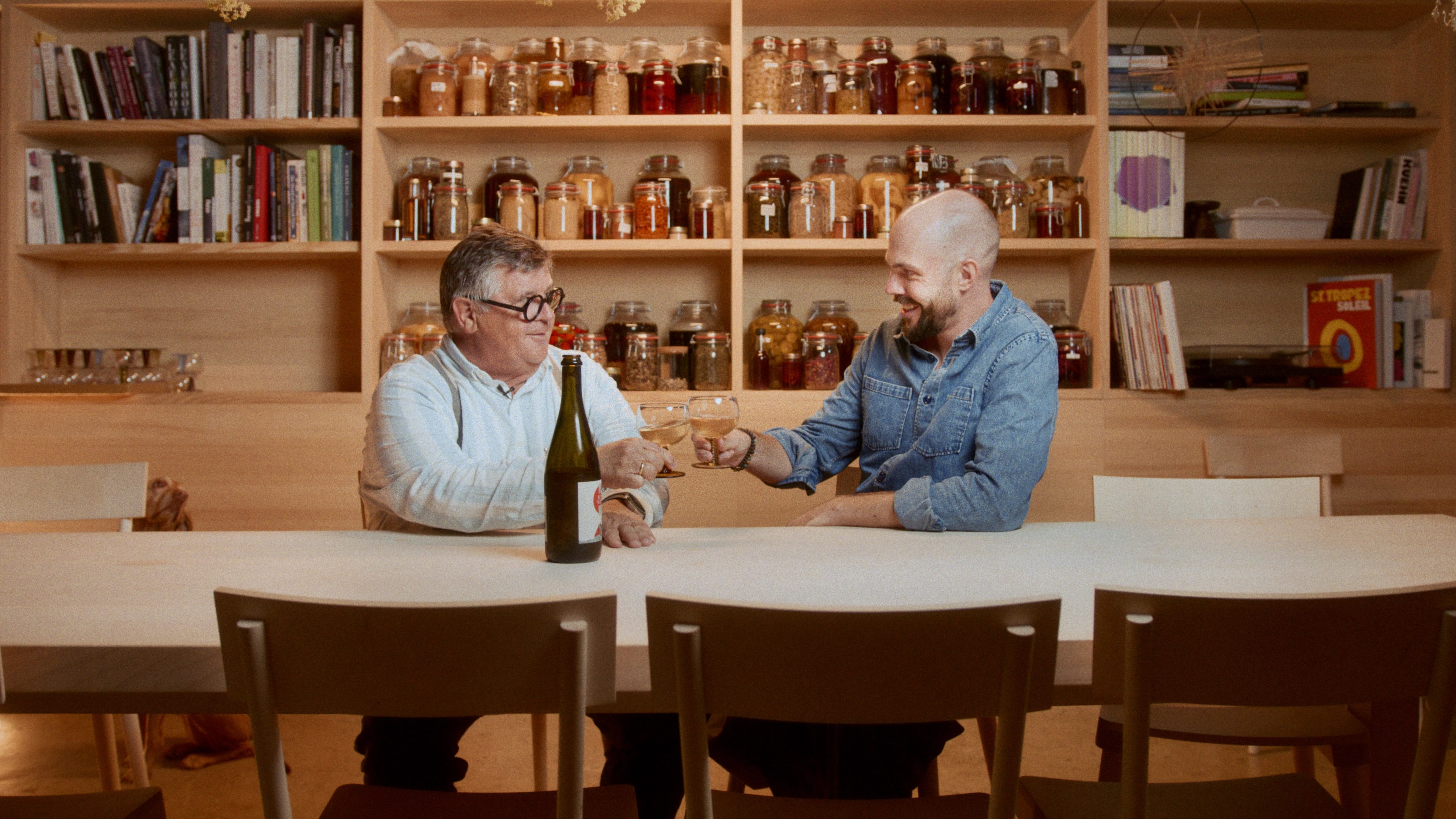
Those are the words of Catarina Oliveira, co-founder of Herbar, a company that creates fungi and adaptogenic-powered beauty. “This can be skincare products, but it’s also how you feel within your environment, within your community, and how you move through the world,” says Catarina.
“One of our biggest focuses is to bridge the gap between the brand and our community. Yes, we are connected by phones and social media, but true connection doesn’t really happen and co-creation is rare.”
“Collaboration has always been a big part of what we do. The standard path for a beauty brand would be to open a brick-and-mortar store, but we always wanted to do things differently. Iron Maiden used to say: 'We’re not in the music industry. We’re in the Iron Maiden industry.' This is how I think about Herbar.”
“We're not in the beauty industry, but in the Herbar industry, so how can we meet customers where they are? This is what drives our brand collaborations.”
The role of collaboration in hospitality
Collaborations have become increasingly important in the world of hospitality, offering a resource-efficient path to evolution and growth.
In a time of financial constraint, partnering with an outside brand gives a hotel access to specialised knowledge without the fixed cost of hiring a high-level employee. These collaborative service models allow hotels to elevate their core offering and instantly tap into new thinking.
That’s easier said than done, as Fabian Messer, co-founder of FERUS, warns…
“In the past, hospitality collaborations have been too surface level and product-driven, like a bartender visiting a hotel to promote a drinks brand. The old template of seeing the same Veuve Clicquot cabin outside a five-star hotel is no longer unique.”
“The truly powerful collaborations are the ones that expand communities and deepen engagement. You have two brands, or maybe more, that bring equal weight to the table, pulling from each other’s equity, story, or unique product benefit to create something that is not just unexpected, but genuinely transformative.”
“We’re in a highly visual, content-driven economy. Hotels must move beyond what services they provide, into what meaningful presence they create. They are no longer isolated spaces. They are curators of culture, caretakers of emotion, and conveners of community.”
“Guests today seek resonance, not routine. They want to feel something real. Something that genuinely aligns with their own values. Brand collaborations are a critical part of this evolution. They allow hotels to express their deeper personality, attitude, and care in ways that go far beyond just the interiors. It's how a place truly comes alive.”
The role of a collaboration is to create emotional bridges, and this is why the successful ones are built on a shared purpose and values. A case in point is the work that Herbar and SCHLOSS Zermatt are doing together.

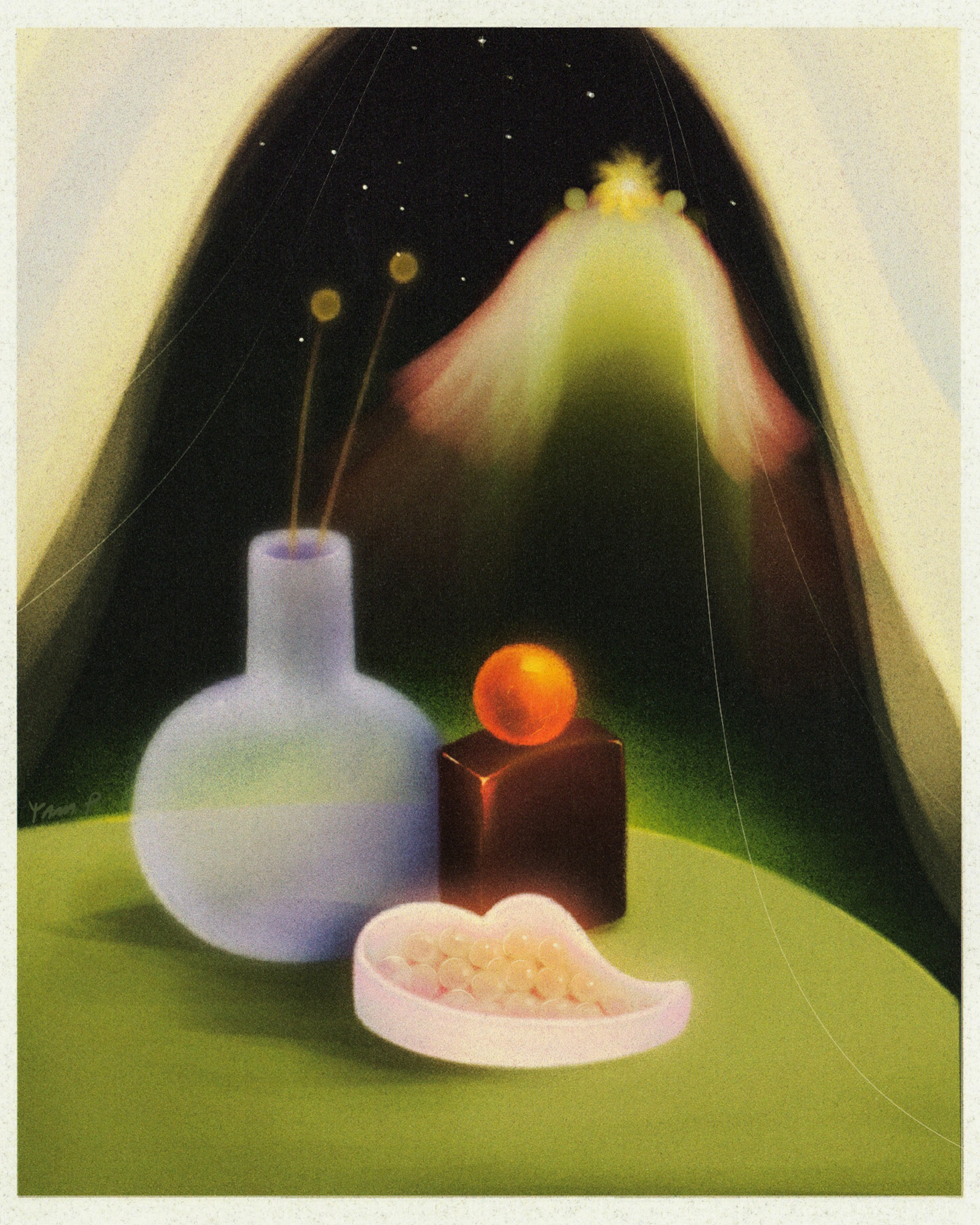
Catarina, founder of Herbar
Herbar x SCHLOSS Zermatt
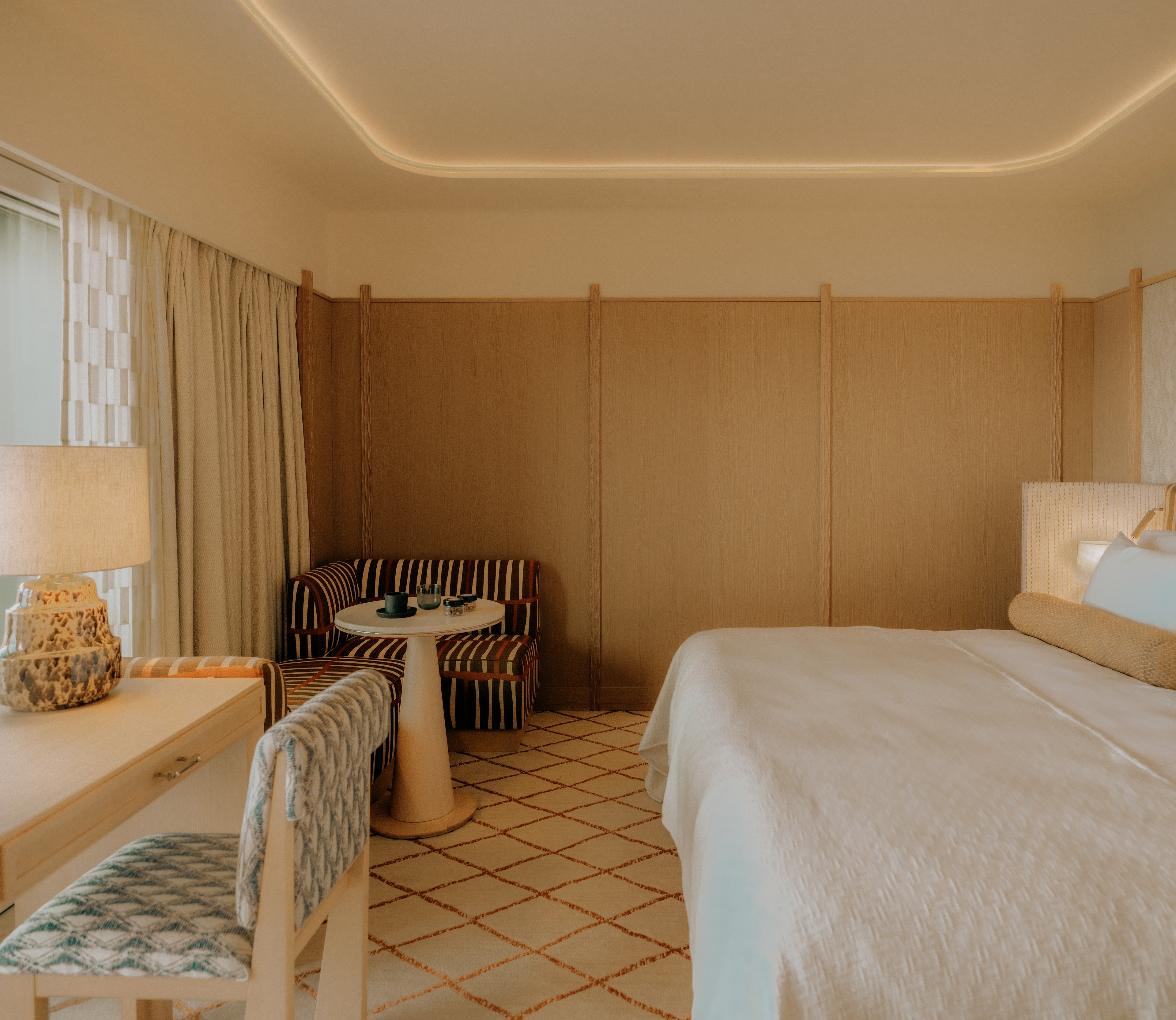
Orchestrated by FERUS, these two brands have co-curated SCHLOSS Zermatt’s entire spa experience, including the music, incense, treatments, products, and the way people are spoken to.
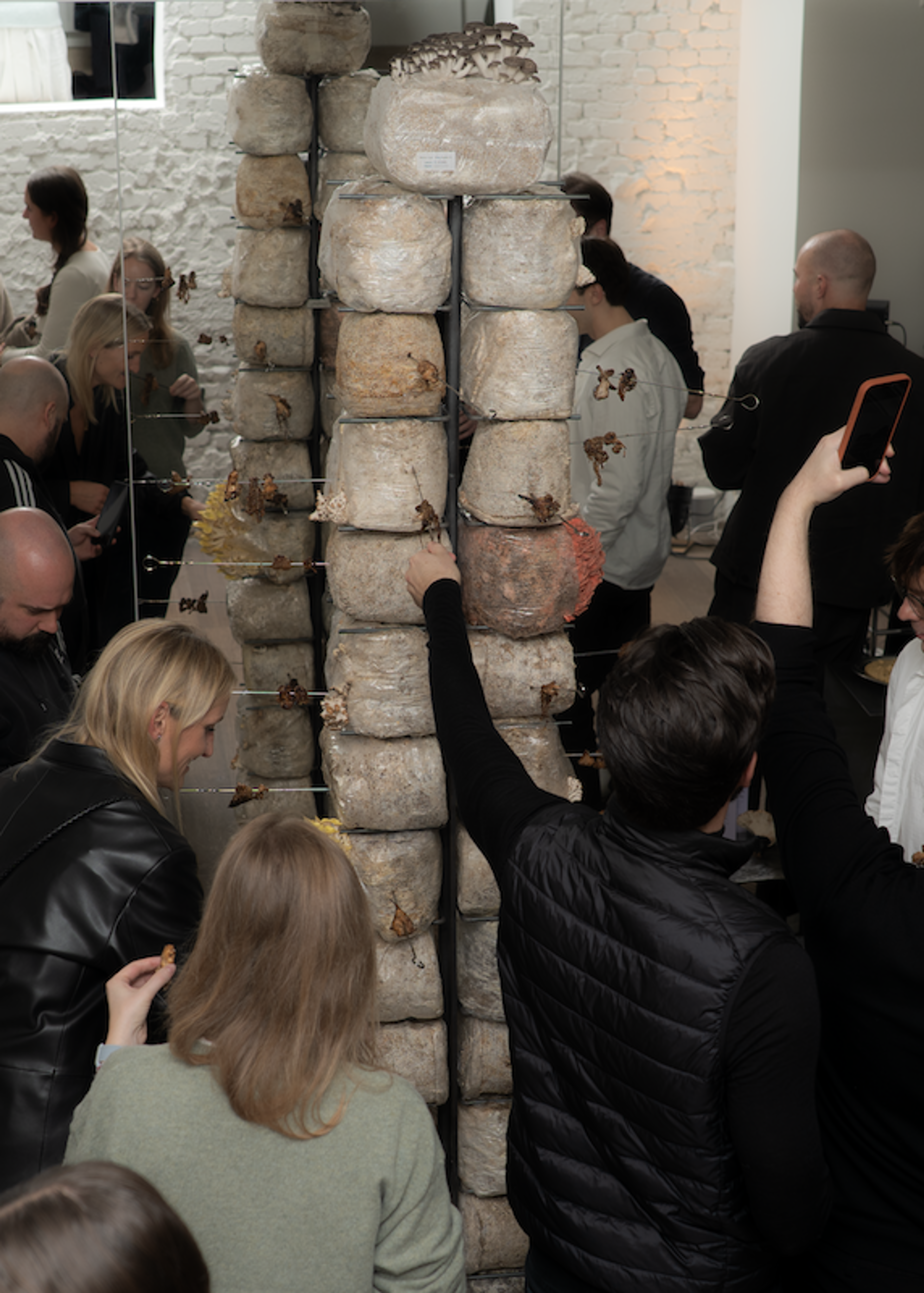
After creating Switzerland’s first CBD spa for SCHLOSS Zermatt in 2021, Fabian wanted to push the experience further: “I saw that Herbar was experimenting with adaptogenics and mushrooms, and for me, it was a logical evolution to collaborate with them. Herbar has a young, sporty and fresh vibe that goes in a similar direction as SCHLOSS after the latter’s rebrand.”
“SCHLOSS Zermatt’s CBD & Adaptogenic Spa is the first of its kind with a beautiful approach to holistic wellness,” adds Catarina. “It’s exactly where we want to meet our community.”
“At its heart, this collaboration is an emotional connection with people. Hospitality used to be about service, but now it's so much more about belonging. It's about the values and the ethos of what you stand for and how you make a person feel like they belong in the world you've created.”
“We wanted the spa to create an intentional presence in a guest. In Traditional Chinese Medicine, you have the five elements: wood, fire, earth, metal, and water. They represent balance and are rooted in things you probably know, like Feng Shui. The element of earth is at the centre of the new spa experience because it’s the foundation from which everything else grows.”
“When guests walk in, they are fully immersed in this grounding essence. Not only are we putting the products on their skin, they’re also smelling them and then there are teas at the end which contain key herbs. It’s a 360-degree experience for the skin and spirit.”
What makes a collaboration resonate?
“In a place like Zermatt where hospitality is so competitive, it’s genuine, thoughtfully chosen collaborations that truly set us apart,” says Alex Perren, owner of SCHLOSS Zermatt. “Working with partners who share our ethos lets us evolve our guest experience in ways we couldn't alone. It’s about finding that synergy that keeps us feeling fresh and relevant, ensuring our guests always discover something special and real here.”
This synergy is only possible when there is a strong alignment between the partnering brands’ products, strategies, and aims.
“This partnership would never have worked if one side had solely focused on their economics,” Fabian adds. “You need to have the same mindset, and that’s why it's so much fun. We push each other and it’s a give-and-take.”
“We’ve built this collaboration up together. Herbar are experts in the field of beauty, SCHLOSS Zermatt are experts in the field of hospitality. FERUS fused the two, showing each side how the partnership would work in the hotel’s ecosystem: at breakfast, in the spa, in the room, in communication, and in staff training.”
For a collaboration to resonate with a guest, it needs to be embedded through subtle details. Nothing should be overtly branded, but instead it must reinforce the overall emotion that you want a guest to have.
The true measure of success is when this feeling extends beyond the hotel walls, so that even when a guest is at home, they still carry a piece of your experience with them. Whether that’s by applying their Herbar balm every night before bed, or simply by remembering how good you made them feel.
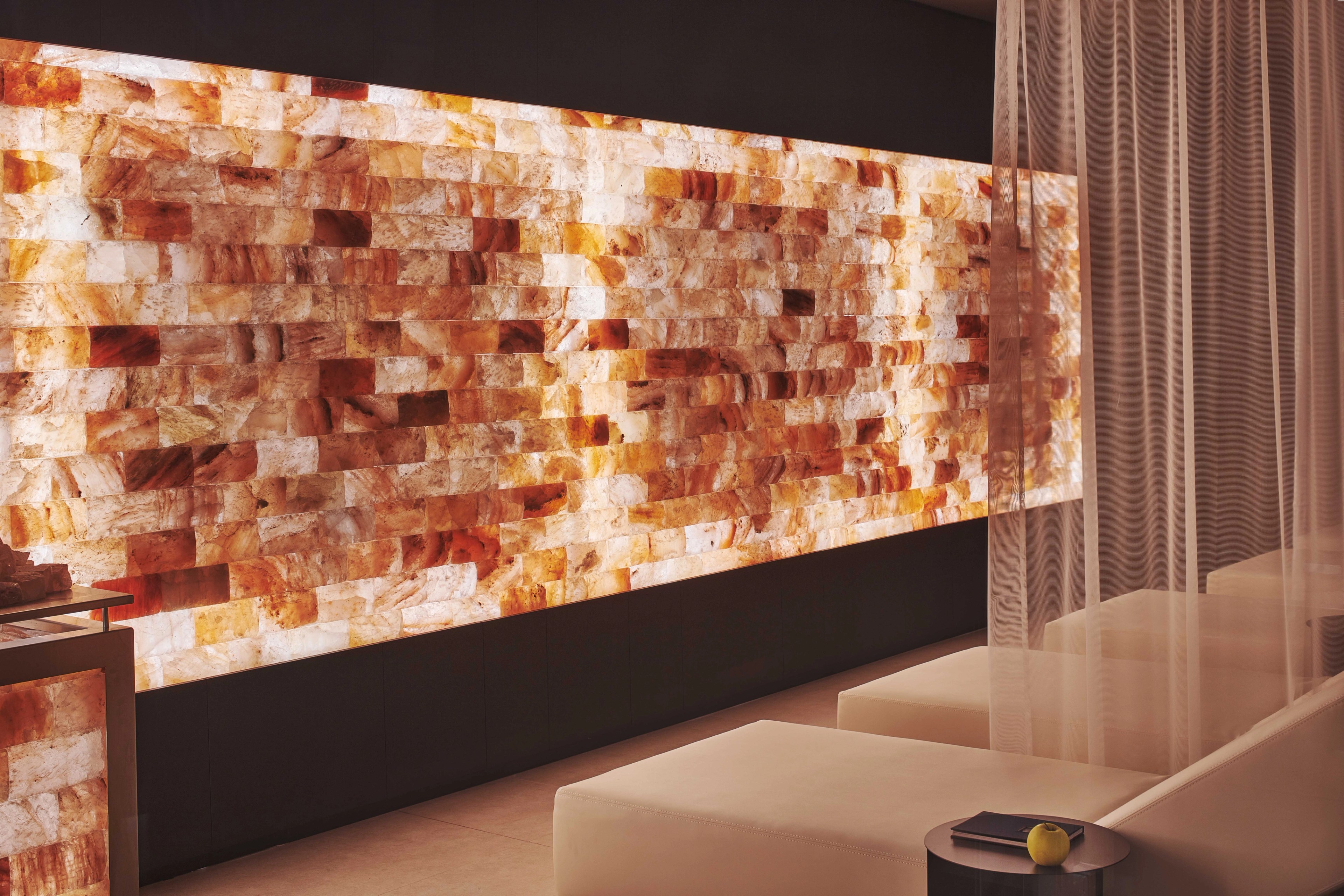
COMING SOON AT SCHLOSS ZERMATT
FERUS and SCHLOSS Zermatt are working together to continue the evolution of the hotel’s FLOW positioning. This will include:
1. FLOW Weeks at SCHLOSS Zermatt:
These will focus on immersive, wellness-oriented experiences.
2. Year-round FLOW programming:
Integrating daily FLOW moments and activities throughout the guest stay, ensuring the brand ethos is consistently experienced beyond dedicated wellness weeks.
3. Digital FLOW Hub:
An online platform is being developed to offer pre- and post-stay FLOW content, such as guided meditations, active recovery routines, and healthy recipes.
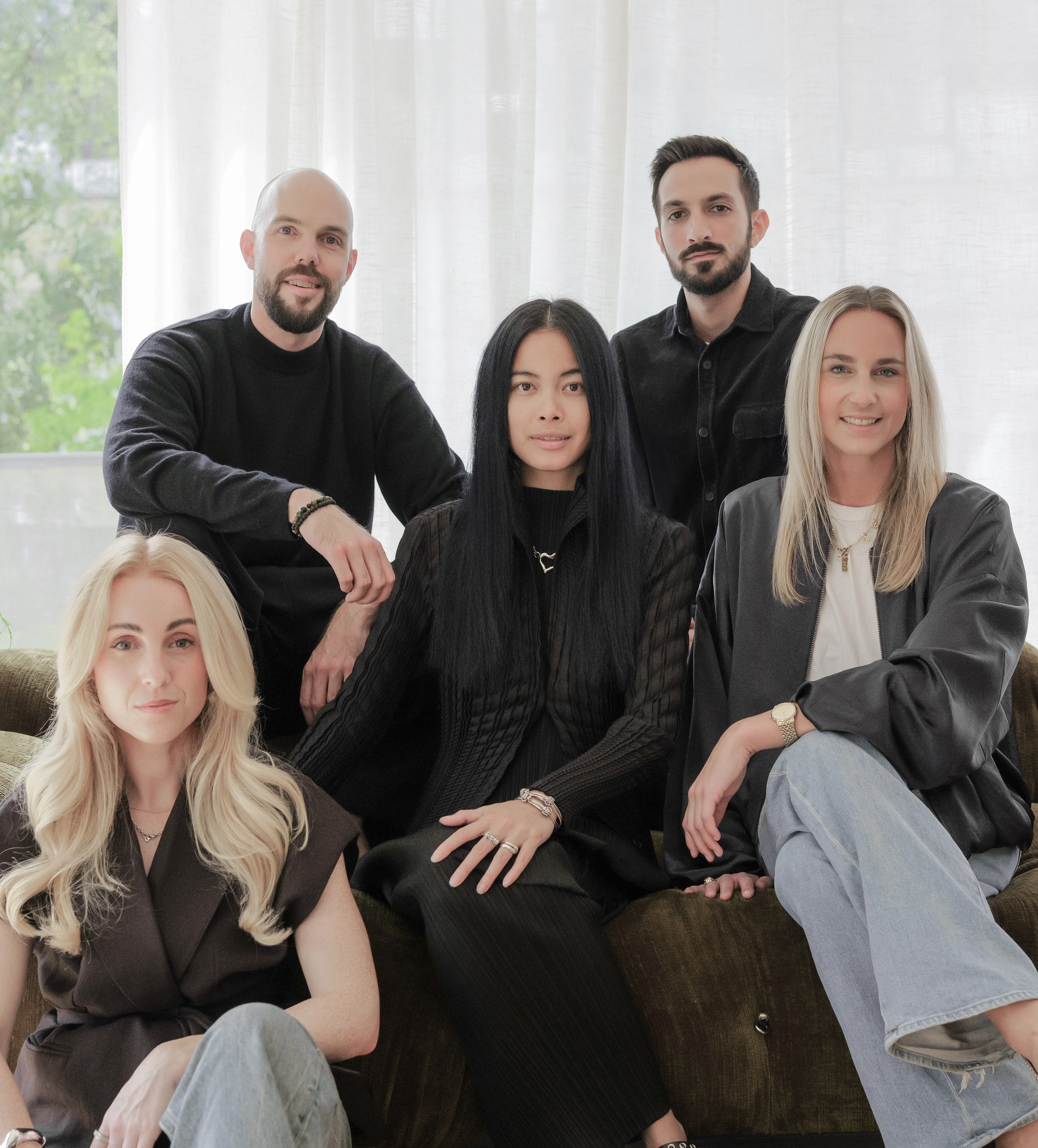
Featured members
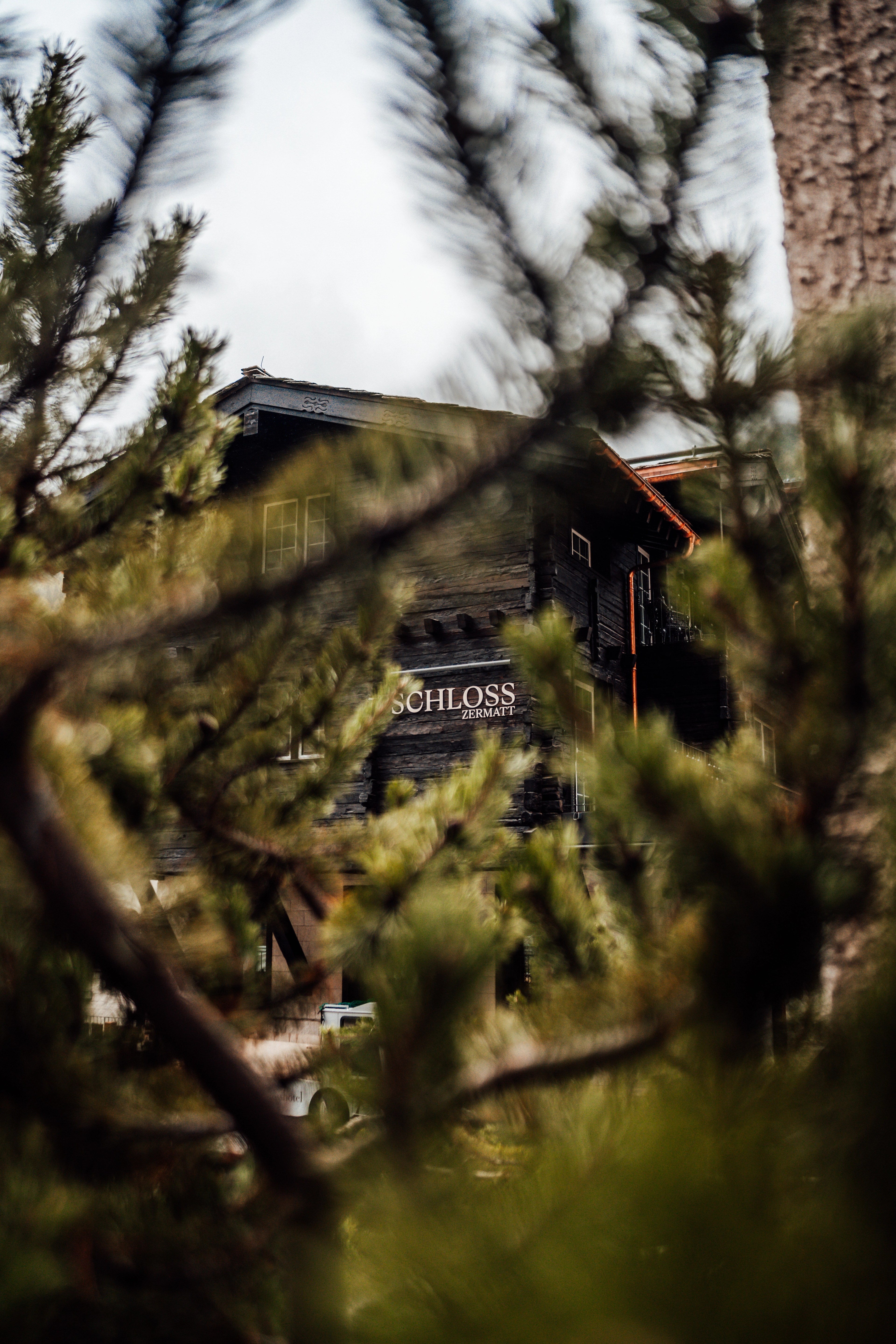
Related Stories
CREATE YOUR RESONANCE
FERUS helps brands forge meaningful connections and experiences. If you're looking to create a brand that resonates, get in touch today.
THE EXCHANGE
Get the latest member news, interviews, drops and digests in your inbox.